How to Build Deep Flavor in Turkey Chili: Spice Layers & Beyond
For too long,
turkey chili has suffered from an undeserved reputation as the lesser cousin to its beef counterpart. Many home cooks, and even seasoned chefs, have attempted to simply swap ground beef for turkey in their favorite chili recipes, only to be met with a dish that lacks the robust, deep flavor they crave. This often leads to the conclusion that turkey chili is inherently bland, a sacrifice for health rather than a culinary triumph. But what if we told you that your turkey chili could be so rich, so deeply flavorful, that diners wouldn't even guess it wasn't made with beef? The secret isn't in what you remove, but in what you *add* and *how* you cook it.
The fundamental challenge with ground turkey lies in its leaner profile and milder taste compared to beef. It doesn't bring the same inherent umami or fat content to the party. However, this isn't a limitation; it's an opportunity to build flavor from the ground up, with intentional layers that elevate the entire dish. Forget simply substituting; it's time to craft a turkey chili recipe that stands proudly on its own, deserving of its own unique approach.
The Foundation of Flavor: Aromatic Powerhouse
Every great chili begins with a strong aromatic base, and for
turkey chili, this foundation needs to work harder than ever. We're talking about a generous bounty of onions, red bell peppers, and garlic – not just a token amount, but *lots*. Think beyond a single onion; two or three medium onions, finely diced, will provide a sweet, savory depth when properly cooked. Red bell peppers add a crucial sweetness and body that leaner turkey needs. As for garlic, don't be shy; a whole head, minced, is not an exaggeration.
The key here isn't just the quantity, but the *technique*. These aromatics aren't merely sautéed until softened; they are cooked down slowly over medium-low heat until they significantly reduce in volume, becoming intensely caramelized and sweet. This process can take 20-30 minutes, but it's a non-negotiable step for building profound flavor. As the natural sugars in the vegetables brown, they create complex new flavor compounds through the Maillard reaction, setting a rich, sweet, and savory stage for everything else that follows. Consider experimenting with different onion varieties – sweet Vidalias for extra sweetness, or a mix of yellow and red onions for more complexity.
Unlocking Umami and Acidity: Beyond the Basics
Once your aromatic base is deeply caramelized, it's time to introduce the next critical layers of flavor that will truly transform your
turkey chili.
The Power of Concentrated Tomato & Toasted Spices
First, introduce
tomato paste. This isn't just for color; it's a concentrated burst of umami. Press it into the hot pan with your aromatics and allow it to caramelize for a few minutes. This deepens its flavor, removing any raw acidity and amplifying its savory notes. This step is crucial for adding a foundational richness that complements the leaner turkey.
Next comes the spice blend, and this is where you can truly differentiate your turkey chili. Don't rely on a single chili powder. Instead, embrace a symphony of spices. A variety of dried chiles – think ancho for fruity, smoky notes; guajillo for mild fruitiness; and a touch of chipotle for a smoky kick – can be ground together or purchased as individual powders. Beyond the chiles, robust quantities of
coriander,
smoked paprika, and
cumin are essential. For maximum impact, toast your whole spices lightly in a dry pan before grinding them. This awakens their essential oils and intensifies their aroma and flavor, creating a chili paste that is incredibly layered and vibrant. This careful orchestration of spices is a cornerstone of flavor development. For an even deeper dive into these techniques, check out our article on
Unlock Rich Flavor: Turkey Chili Secrets from Duck Fat to Tomatillos.
The Tomatillo Secret: Brightness and Tang
Now for a secret weapon inspired by authentic Mexican stews:
tomatillo salsa. Many of the most beloved red, chile-stained Mexican dishes achieve their complex depth and bright finish with a base of pureed, tangy tomatillos. Adding tomatillo salsa to your turkey chili introduces a vital acidity that cuts through the richness, brightens the overall profile, and prevents the dish from tasting flat. It provides a zesty counterpoint that perfectly complements the earthy spices and savory turkey, rounding out the flavor experience. You can use store-bought tomatillo salsa for convenience, or roast fresh tomatillos for an even more vibrant and nuanced flavor.
The Game Changer: Fat, Meat, and Simmering for Perfection
With the aromatics, umami boosters, and spices in place, it’s time to incorporate the main protein and elevate the cooking medium.
The Luxurious Touch of Duck Fat
Perhaps the most unconventional yet impactful ingredient for achieving unparalleled depth in
turkey chili is
duck fat. While some might reach for olive oil or vegetable oil, duck fat brings a luxurious richness, a high smoke point (making it ideal for sautéing), and a subtle, savory "roasted bird" nuance that enhances the turkey meat beautifully. It provides a healthy, flavorful fat source that the lean ground turkey often lacks, infusing every bite with a luscious mouthfeel and complex flavor you wouldn't typically associate with turkey chili. If duck fat isn't readily available, a good quality olive oil can work, but for truly exceptional results, duck fat is a game-changer.
Cooking the Ground Turkey: Moisture is Key
When it comes to the ground turkey itself, choose lean ground turkey (85-90% lean) over extra-lean. A little fat goes a long way in preventing the meat from drying out and contributes to the chili's overall richness. Brown the turkey in the flavorful duck fat, breaking it up as it cooks. The goal here is to get some browning for additional flavor (again, the Maillard reaction), but be mindful not to overcook it. Overcooked turkey will be dry and crumbly. Once browned, drain any excess fat if necessary, but remember that the duck fat is there for a reason – don't strip away all the flavor.
The Power of Time: Let it Simmer
Finally, embrace the power of time. After combining all your ingredients with a good quality chicken or vegetable broth, bring your chili to a simmer. A truly flavorful
turkey chili needs time for all those carefully built layers to meld and deepen. Simmer for at least 1-2 hours, stirring occasionally. The longer it simmers, the more complex and cohesive the flavors will become, transforming individual ingredients into a harmonious, rich, and satisfying stew. This slow cooking also helps to tenderize any vegetables and allows the turkey to absorb all the delicious flavors.
Bulk, Texture, and Serving: Completing Your Masterpiece
A great chili isn't just about deep flavor; it's also about satisfying texture and delightful toppings.
The Role of Beans: Hearty and Filling
While Texas chili purists might disagree, for most, beans are an integral and beloved component of chili. And for
turkey chili, they're particularly welcome. Beans add bulk, texture, fiber, and a satisfying heartiness that stretches the meal and makes it more filling. Kidney beans hold their shape well, but pinto, black, or even a mix of beans can work beautifully. Always drain and rinse canned beans thoroughly to remove excess sodium and improve their texture. Don't be afraid to add an extra can or two – this is a saucy chili that can handle it!
Beyond the Basics: Adding More Veggies and Customizing Heat
Turkey chili is also an excellent canvas for incorporating more vegetables. Diced zucchini, sliced mushrooms, corn, or even finely diced carrots can add additional nutrients, texture, and natural sweetness without detracting from the main flavors.
For those who love a bit of heat, tailor it to your preference. While the initial spice blend focuses on complex flavor, you can easily add more fire. Freshly chopped jalapeños or serrano peppers (seeds and ribs removed for less heat, or left in for more) can be sautéed with the aromatics. A pinch of cayenne pepper or a dash of your favorite hot sauce stirred in at the end can provide a quick heat boost.
Serving Suggestions & Meal Prep Magic
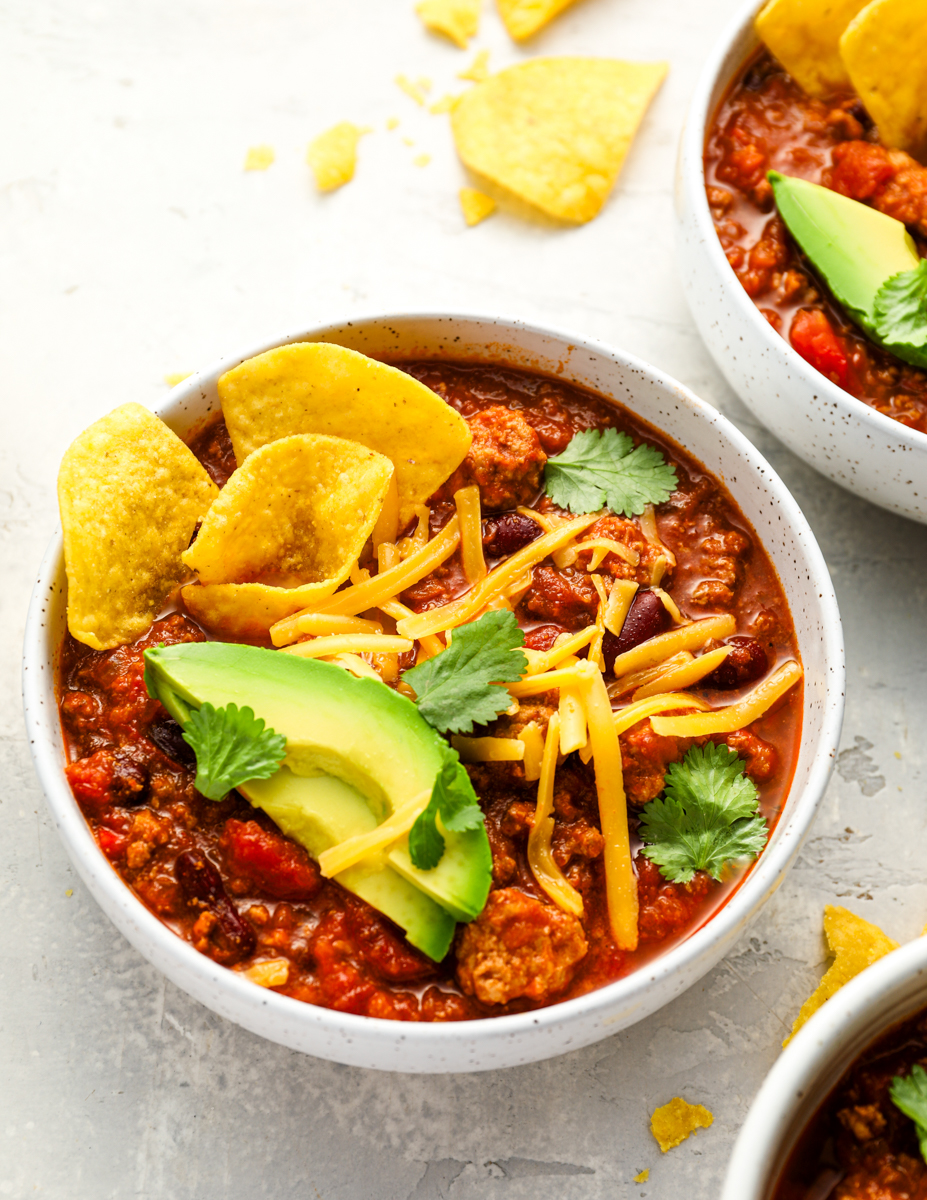
No bowl of chili is complete without an array of tantalizing toppings. Offer a spread of sour cream or Greek yogurt (for a healthier option), shredded cheddar or Monterey Jack cheese, chopped fresh cilantro, thinly sliced green onions, diced avocado, and crushed tortilla chips for crunch.
One of the best qualities of this deeply flavored turkey chili is how well it adapts to meal prep. It tastes even better the next day as the flavors continue to meld. Leftovers can be stored in an airtight container in the refrigerator for up to 4 days or frozen in zippered bags for up to 4 months. It reheats beautifully on the stovetop, in the microwave, or even in a slow cooker for larger batches, making it a perfect healthy, flavorful meal for busy weeks. For more on the convenience aspects, take a look at our
Easy One-Pot Turkey Chili: Healthy, Flavorful & Meal Prep Friendly article.
Conclusion
Gone are the days when
turkey chili had to be a compromise. By understanding the unique characteristics of ground turkey and employing strategic layering of aromatics, spices, umami-rich ingredients, acidity, and even a luxurious fat like duck fat, you can create a chili that is not only healthy but incredibly flavorful and satisfying. This approach transforms turkey chili into a dish that stands proudly on its own merits, deserving of its own recipe and a place in your regular rotation. Embrace the challenge, savor the process, and prepare to impress even the most skeptical chili connoisseurs with a bowl of turkey chili that's rich, complex, and utterly delicious.